
Top 7 Unusual Scents Mentioned in the Bible
F R A G R A N C E + F A I T H
A B R I L
6/19/20266 min read
Myrrh
Maybe it's just me, but I've always loved fully immersing myself in other eras, whether that be for study or just because I think they were pretty cool times, I enjoy really getting stuck in as if I were there.
In my opinion, scent is one way that works wonders for this, after all, nothing may evoke memories better than fragrance! So, with that in mind, allow me to take you on a mini stop tour of some of the oddest odours that ancient humans, particularly those referenced in the Bible, would have been familiar with.
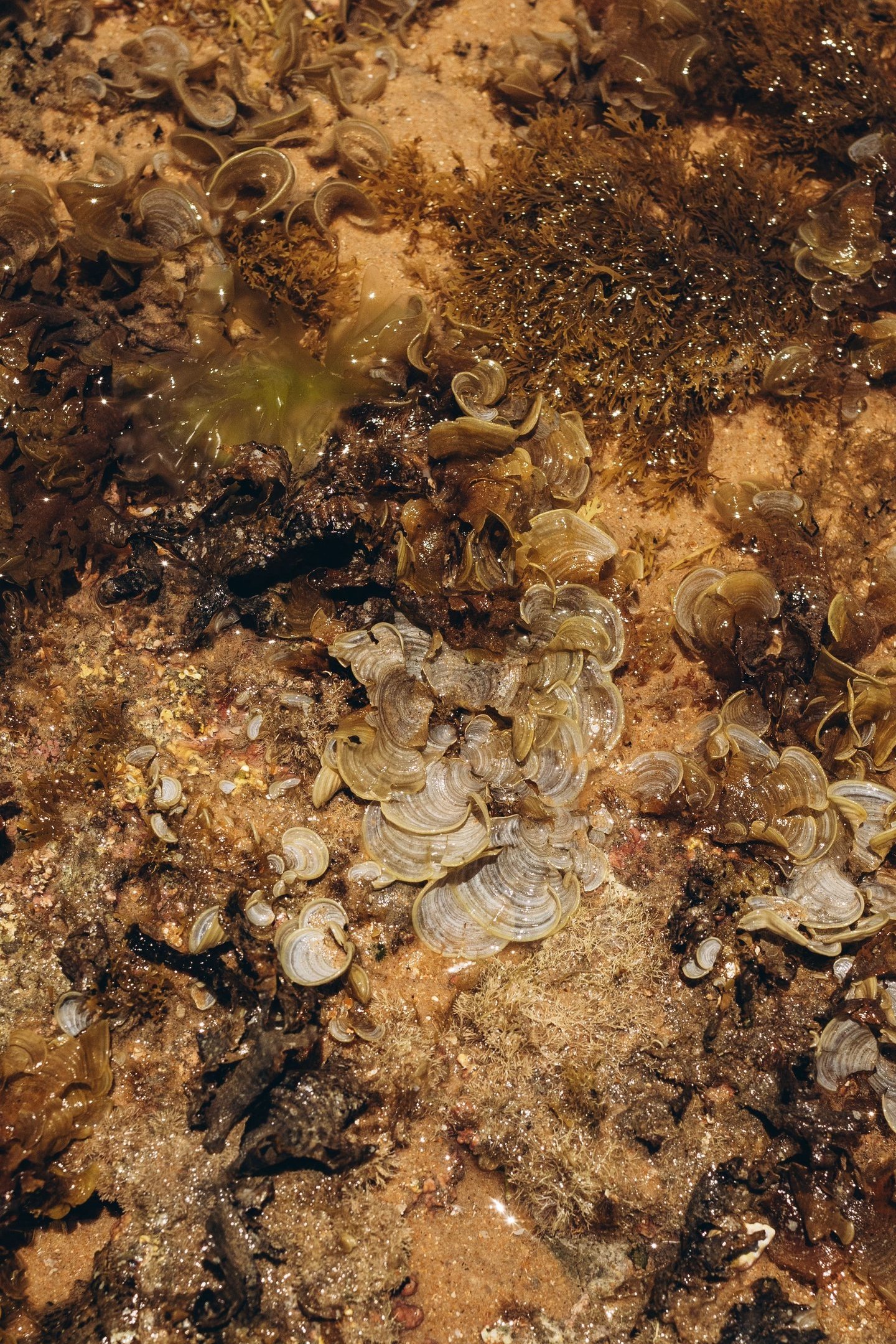
This one is probably the most mysterious of them all. With only a single mention in the Hebrew Bible (as part of the sacred incense God prescribed to Moses) Onycha (shechelet) is one of the most debated ingredients in biblical perfumery.
When we look at the Greek Septuagint, the mystery gets even deeper. Onycha comes from a Greek word that can mean “fingernail” or “claw” (ew), and is related to the word that gives us onyx. For a long time, people wondered what that could possibly have to do with incense and after a lot of linguistic and historical detective work, the answer seems to lead back to the sea.
And thus, this ingredient of fine incense is: sea-snail fingernails!
Okay let me explain..
The most widely accepted identification is the operculum, this is that hard little “door” a sea snail uses to seal itself inside its shell. When this is removed, it looks surprisingly like a fingernail… which is probably why the Greek translators chose the word onycha in the first place, it's weird, right?
So what does this sea snail trap door smell like?
On its own, probably not great. It would have been strong, musky, animalic, and likely carried some distinctly marine (fishy) notes. Ancient perfumers would process materials like this often by soaking and treating them in vinegar to tame the fishiness and bring out the warm, resinous musk underneath. What was left wasn't there to smell pretty on its own; it acted more like a foundation, adding depth, warmth, and that staying power some scents that last you all day have, to the rest of the incense.
Which, honestly, feels fitting. One of the strangest and least glamorous ingredients may have been the thing quietly in the background holding everything else together.


Calamus
For most of us, the ancient world exists only in paintings, museum displays, and words on a page. But the people of the Bible experienced it with every one of their senses. They smelled the rich smoke of temple incense drifting through the streets, the sweet warmth of spikenard poured onto tired feet, the sharp medicinal bite of myrrh at a burial, and the earthy spice of calamus in the sacred anointing oil.
And maybe that's why fragrance appears so often throughout Scripture. Smell has a remarkable way of fixing moments in our memory. Even today, a single scent can transport us back decades in an instant. In the same way, these aromas would have immediately evoked places, people, celebrations, worship, grief, and God's covenant for those who first encountered them.
Some of these fragrances sound beautiful, others totally weird (thinking of you sea-snail operculum), but together they remind us that the Bible wasn't lived in a colourless, scentless world. It was earthy, smoky, spicy, resinous, floral, and sometimes just a bit strange.
So next time you read about incense rising in the Temple, Mary breaking open her jar of costly perfume, or the gifts brought to the baby Jesus, why not pause for a moment and imagine not just what those scenes looked like, but what they smelled like.. You might find the ancient world feels just a little closer than it did before.
Onycha
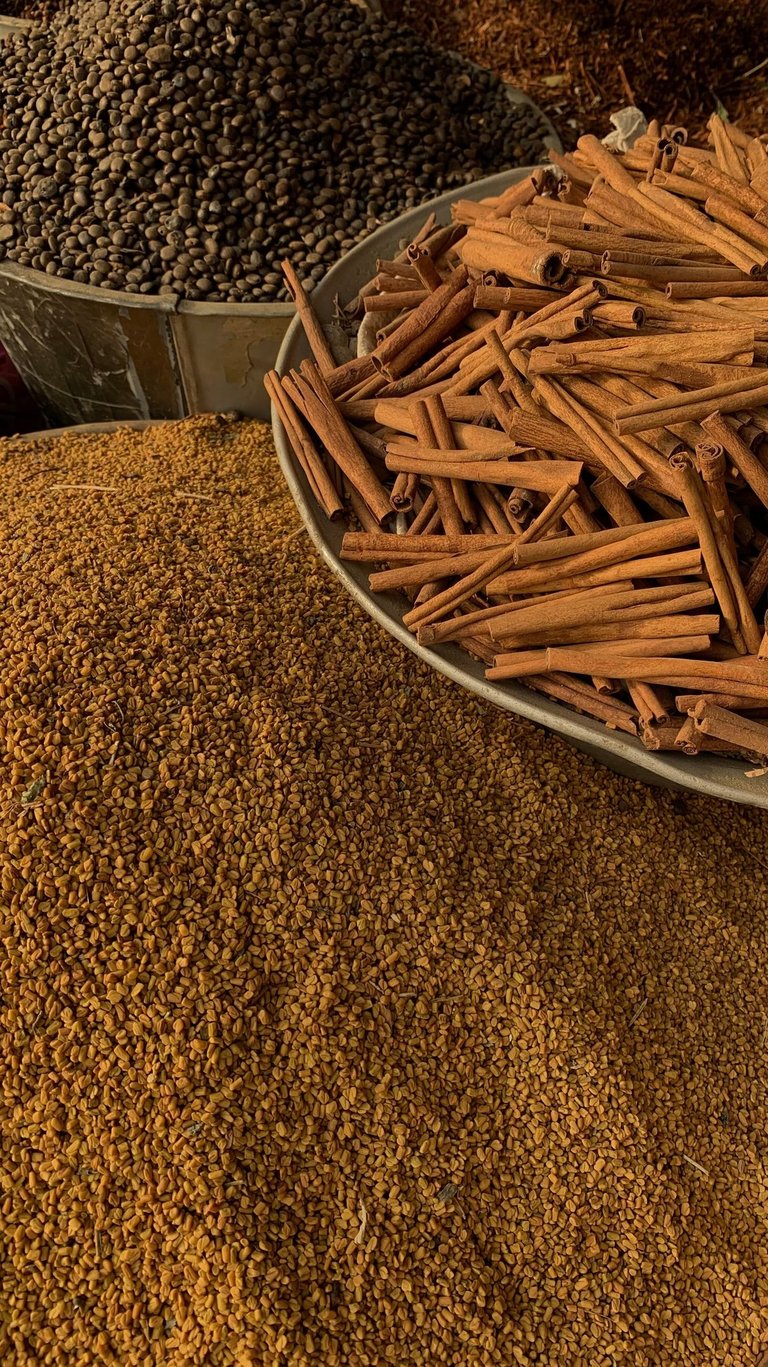
This one is a key fragrance. God chose Calamus for His anointing oil recipe given for the priests in Exodus 30:23. It often translates to ‘sweet cane’ and it smells something like a warm, earthy spice. Think of a cinnamon type, with a mix of forest wood, and a little hint of wet mud (as it is a reed found in wet lands). The fragrance in biblical times would have been extracted with vegetable oils (their solvents back in the day) and today, are often steam distilled.
Cassia
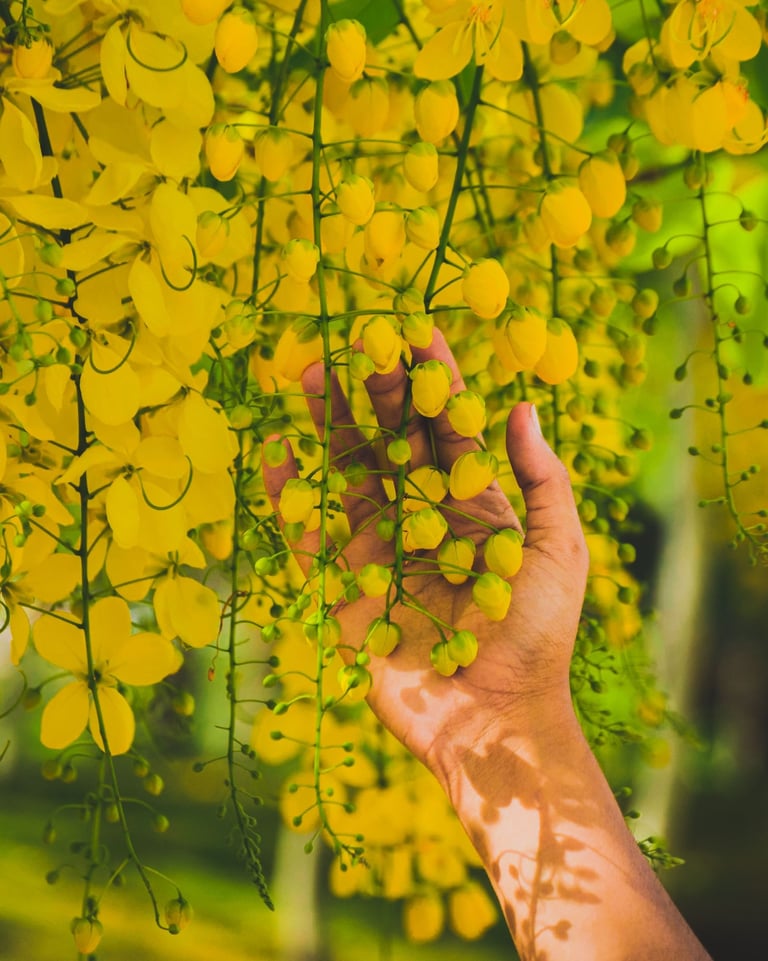
Another aromatic component from God’s Holy anointing oil, as well as being mentioned in Psalm 45 as part of the oil of gladness, is cassia, also known as chinese cinnamon. The essential oil is taken from the inner bark of its tree, as well as the leaves used as sources for perfume materials. The scent of Cassia, much like cinnamon is slightly balsamic, woody, strong, spicy, warm and very aromatic.
Spikenard
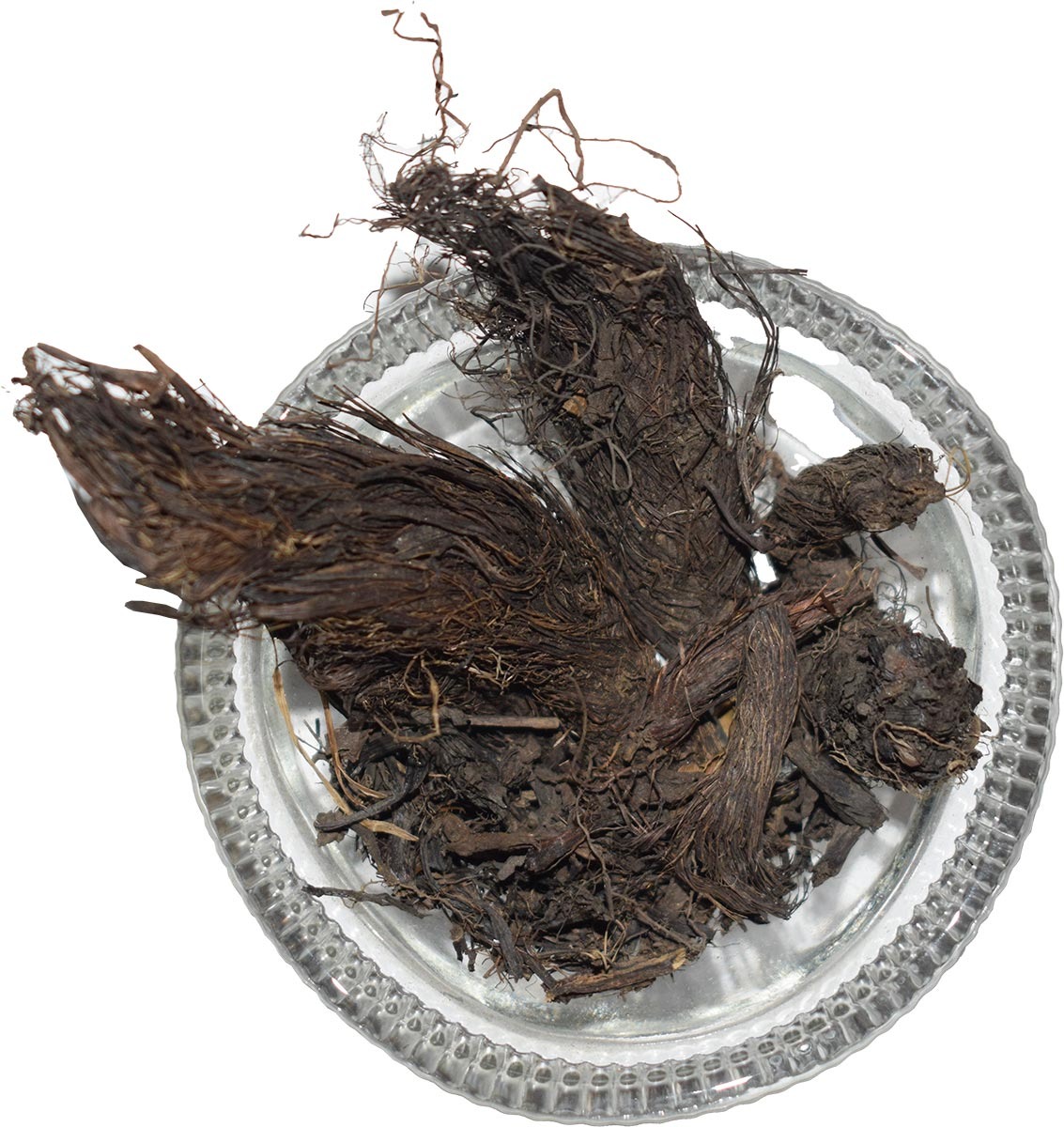
Spikenard is referenced across all four gospels. It is the costly oil that Mary used to anoint Jesus’ feet. This particular ointment was super expensive; one reason for its high value was that in ancient times it was imported from distant places like India to the Middle East. The fragrance is derived from the roots, and young stems of the shrub known as nardostachus jatamansi. This plant grows at high altitudes of approx 3000 to 5000 metres in the himalayas. This oil is particularly special. As a member of the valerian family, it not only possesses an exceptional strong fragrance but also contains potent chemicals that are utilized for medicinal purposes.The perfume oil is still used today, typically steam extracted and has the resemblance of a heavy, sweet spicy and woody scent with animalic qualities, with evident valerian root, cardamon or cedarwood profiles.
Labdanum
Agarwood
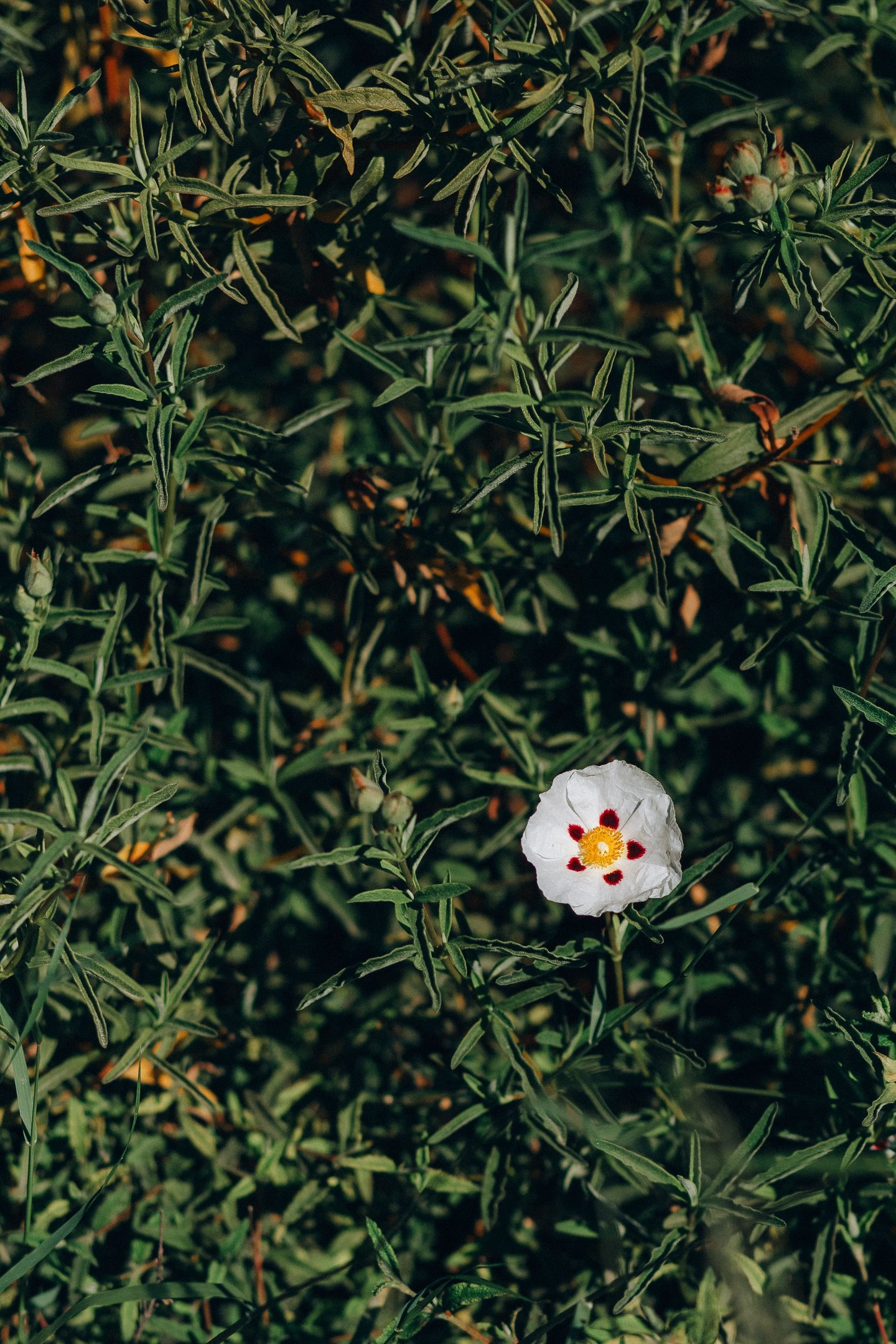
Labdanum was a precious base in ancient perfumes. It was native to Canaan and Gildad. Due to its deep, sweet, earthy scent, as well as having medicinal properties, it was a highly sought after product by Egyptian royalty.
Genesis 43:11 tells of when Jacob sends his sons to Egypt to buy grain, he sends them of with the finest things that money could buy, including labdanum. This was testifying that even in famine, we can be generous and trust that God’s provision prevails
Agarwood is commonly known as aloes in the Bible. Much like labdanum, it was highly valued in ancient times and was imported from regions such as India. Its scent is sweet, woody, and rich. However, the process by which it is produced is far from glamorous. Agarwood arises from a fungal infection in the heartwood of the Aquilaria agallocha tree. This fungus transforms the light-colored and less dense wood into a dark and dense material, which can then be used as agarwood in perfumes. The Bible references several instances of agarwood being utilized, with one notable event being when Nicodemus brought aloes (agarwood) to the tomb to honor Jesus’ body.


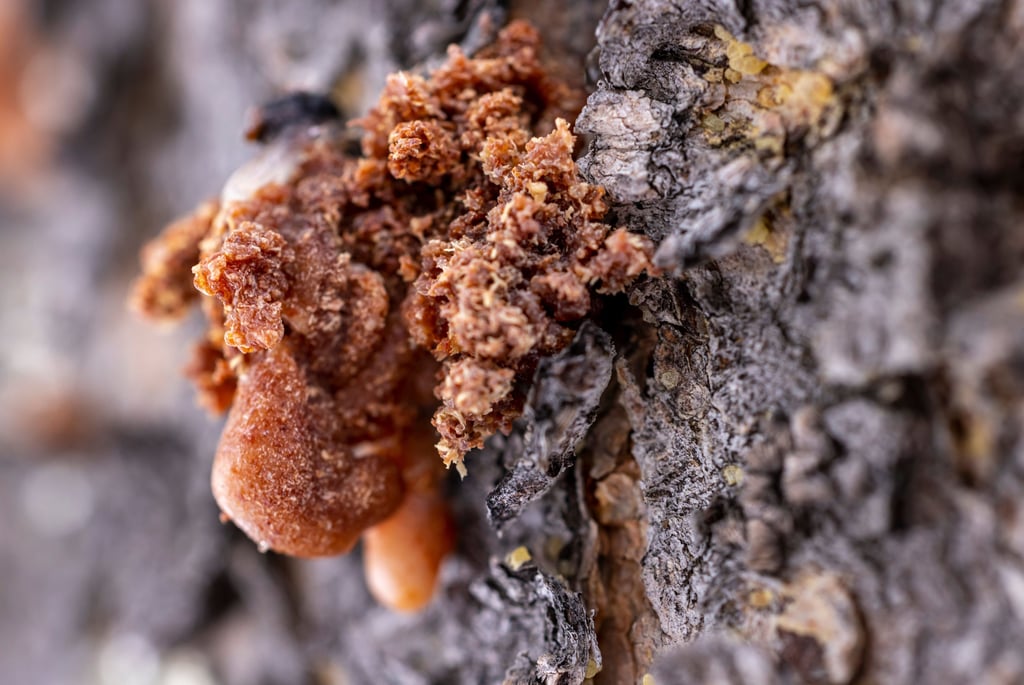
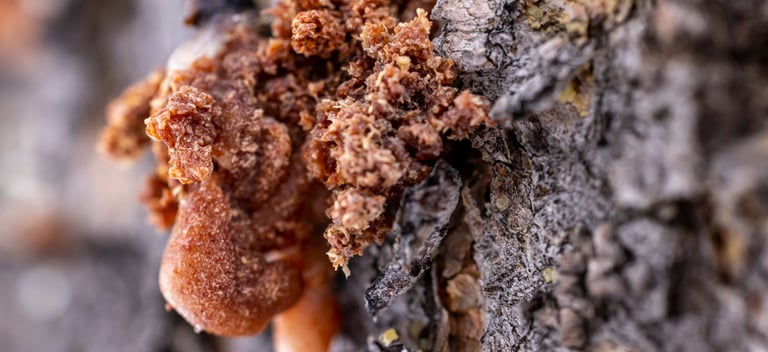
How could we forget myrrh? With more than 3,700 years of use in both perfume and medicine, it makes sense that it appears in the Bible. Most of us know the story of Jesus’s birth, when the three wise men brought gifts, including myrrh. While this might seem like a strange but fitting gift for those times, it would actually be similar to bringing a funeral shroud or embalming kit to a modern baby shower. The idea was to make a prophetic statement about what was to come—the real reason Christ was born. Myrrh is a dark, earthy tree resin. Its scent is heavy, a bit warm and damp. It smells quite medicinal, but also smoky, with a sharp hint of that old-world apothecary aroma.